
A Step-by-Step Guide to Fitness App Development for Canadian Businesses in 2026
Canada’s fitness industry has been shifting toward digital since 2020. Today, gym-goers across Toronto, Vancouver, and Calgary expect their studios and trainers to have a mobile presence. Not just a website, they want a mobile app where they can book classes, track progress, and stay connected between visits.
The global fitness app market sits at roughly $16.5 billion in 2025 and is expected to reach $31 billion by 2030. In Canada specifically, 80% of gym-goers are millennials or Gen Z, and 89% of that group use health and fitness apps to manage their workout routines.
For Canadian fitness businesses, the window to build something meaningful is wide open. The demand is there. The technology is more accessible than it has ever been. What most businesses are missing is clarity on where to start.
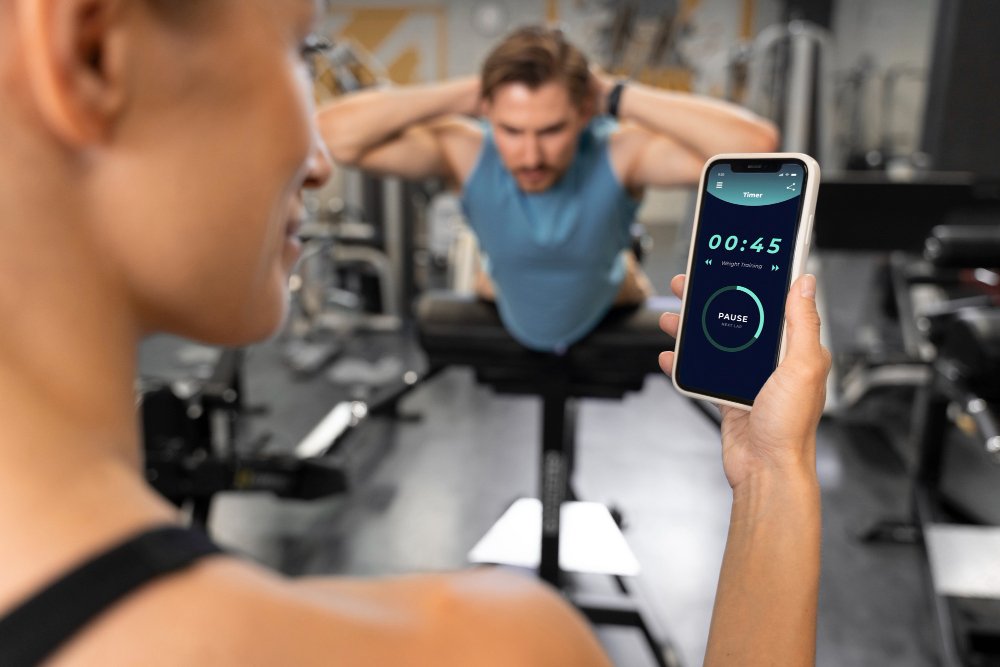
This guide is meant to close that gap. It covers what goes into building a fitness app, what it costs in the Canadian market, and how to find a fitness app development company.
Custom vs. Off-the-Shelf Mobile Apps: What Actually Makes Sense
This is usually the first question Canadian fitness businesses ask and rightly so. There are plenty of white-label booking platforms and generic wellness app templates on the market. They are cheaper upfront, and they can get you live quickly. But there is a cost to them.
Generic platforms give you a product built for everyone, which means it’s truly optimized for no one. Your members notice and when they do, they disengage.
Off-the-shelf apps put your member data in someone else’s hands. You have limited control over the feature set, no ability to deeply integrate with your existing CRM or scheduling software, and your brand experience is constrained by whatever template you chose. When your competitor is using the same platform, the differentiation disappears fast.
Custom fitness app development flips all of that. You own the product, the data, the user experience, and the roadmap. You can integrate with the tools you already use without hacking around API limitations. And when your business grows or pivots, your app can grow with it.
That said, custom development is a bigger investment. For Canadian businesses with an established member base and a clear product vision, it tends to pay for itself relatively quickly through improved retention and reduced administrative overhead. For a brand-new concept with no validated user base, a more measured approach, such as starting with an MVP, usually makes more sense.
Types of Fitness Apps Worth Building
Fitness app development is not a single category. The type of app you build shapes the features you prioritize, the tech stack you use, the regulatory requirements you face, and ultimately the kind of experience your members get. Here are the main types of fitness and wellness apps relevant to Canadian businesses.
Workout & Training Apps
Guide users through exercise routines with video, audio, or animated instruction. These fitness applications for personal trainers, gyms, and online fitness and coaching businesses.
Activity Tracking Apps
Records steps, workouts, heart rate, and other biometrics. These are often synced to an Apple Watch or a Fitbit. The emphasis here is on effortless, passive data capture.
Nutrition & Diet Tracking
Meal logging, macro tracking, calorie counting, and custom meal plans. A strong pairing with workout apps for wellness brands and nutrition coaches.
Gym & Studio Management Apps
These apps support class booking, membership management, staff scheduling, and payment processing. The high-ROI category for established fitness businesses.
Mindfulness & Mental Fitness and Wellness
Guided meditation, breathwork, mood tracking, and stress management tools. A fast-growing category with strong user retention when done well.
Corporate Wellness Platforms
Employee health challenges, team fitness goals, and wellness program tracking. These apps are best for HR departments and corporate health benefit programs.
Must-Have Fitness App Features in 2026
As industry-wide, one-month retention averages around 3-7%, the fitness apps that keep users coming back for more than 30 days tend to share a specific set of features.
Personalized onboarding
An engaging quiz during setup that covers fitness level, goals, injury history, and available equipment ensures users have a relevant experience from day one.
Progress tracking with visible wins
Humans are motivated by visible progress. Weekly summaries, achievement badges, streak counters, and before/after comparisons are not gimmicks.
Push notifications
Not spam. Contextual reminders, such as class starting in 30 minutes, a new personal best, and a check-in from their fitness trainer, keep members engaged between visits without annoying them into unsubscribing.
Class booking and scheduling
One-tap class booking, waitlist management, automated reminders, and cancellation handling. Mobile booking drives a 38% increase in advance reservations through waitlist automation (SchedulingKit, 2026), filling classes that previously ran under capacity.
In-app payments and membership management
A frictionless checkout experience for class passes, personal training packages, and merchandise. Every extra tap between intent and purchase is revenue walking out the door.
Wearable device integration
Apple HealthKit and Google Health Connect are the two primary integration points. Apple Watch, Fitbit, Garmin, Whoop, and Oura users expect their data to sync automatically. In 2026, this is a basic expectation, not a premium feature.
Paracon builds custom fitness apps for Canadian studios, gyms, and wellness brands
Our custom software development company offers fixed pricing with guaranteed timelines. Start with a free consultation to get a rough estimate before you commit to anything.
View Fitness App Development Services.
The Fitness App Development Process, Step-by-Step Guide
A well-run fitness app project follows a clear sequence. The biggest mistakes tend to happen when businesses skip the early planning phases and jump straight to building, which almost always results in scope creep, budget overruns, and a product that does not quite match what was intended.
This is how a responsible development process unfolds.
1. Discovery & Requirements
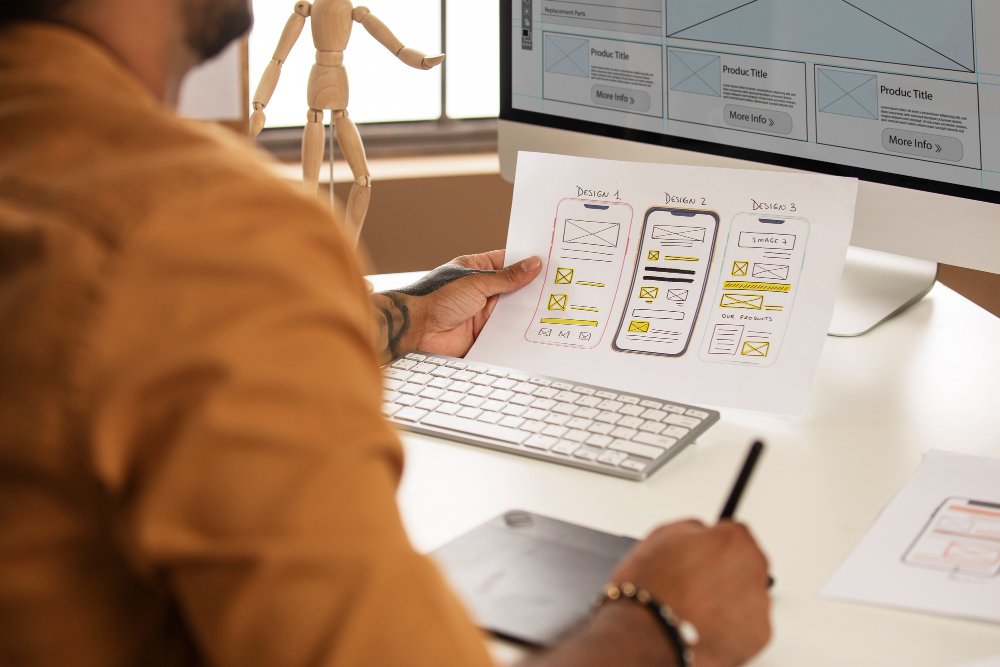
Define exactly what you are building, who it is for, and how it connects to your business goals. This phase produces wireframes, user flows, and a detailed technical specification. A thorough Discovery phase is what makes a fixed-price contract possible later.
UX/UI Design of Fitness Application
Translate the requirements into screens. Fitness mobile applications live or die on usability. Users who find the interface confusing during their first workout do not come back. Good UX design at this stage is far cheaper than redesigning after launch.
Core Development
Building the app itself with frontend interfaces, backend APIs, third-party integrations, database architecture, and an admin panel. For most fitness apps, this is where the majority of the budget goes.
Integrations
Connecting the app to wearables (Apple HealthKit, Google Health Connect), payment gateways (Stripe, Apple Pay), scheduling platforms, CRM tools, and any other existing systems. This phase is often underestimated in terms of complexity.
QA Testing
Testing across real devices, screen sizes, operating system versions, and usage patterns. Performance under load matters particularly for class bookings at peak times.
App Store Submission & Launch
Apple App Store and Google Play have specific submission requirements, review timelines, and content guidelines. A development partner with app store experience handles this without the back-and-forth of a first-time submission.
Post-Launch Support & Iteration
The app you launch is not the final version. Real usage surfaces friction points that no amount of testing fully predicts. An ongoing maintenance and update arrangement keeps the product competitive and your members happy.
Tech Stack Basics to Know When Building a Fitness App
You do not need to become a developer to make informed decisions here. But understanding the high-level choices and their tradeoffs helps you have better conversations with a development partner and avoid being oversold on complexity you do not need.
- Native iOS and Android development (Swift for iOS, Kotlin for Android) produces the highest-performing apps with the best access to device hardware, such as accelerometer, GPS, camera, and biometric authentication. For a fitness app with real-time tracking or video content, native development is usually the right call for the best user experience.
- Cross-platform frameworks like React Native and Flutter let a single codebase run on both iOS and Android. The trade-off is a modest performance gap compared to native, but for most gym booking and training apps, users will never notice the difference. Cross-platform development typically reduces build time and cost by 30–40%.
- On the backend, common choices for fitness apps include Node.js, Django, and Ruby on Rails for the application layer, with PostgreSQL or Firebase handling data storage depending on real-time requirements. For video streaming, platforms like AWS Media Services or Mux handle the heavy lifting far better than custom-built web and mobile development solutions.
The tech stack selection should follow the product requirements. A fitness mobile application development company that recommends the same stack for every project, regardless of what you are building, is a red flag worth paying attention to.
What Does Fitness App Development Cost in Canada?
Fitness app development costs vary enormously depending on scope, and any estimate without a Discovery phase behind it is a guess. That said, you need ballpark figures to plan budgets, so here is a realistic breakdown for the Canadian market.
| App Type | What’s Included | Typical Budget Range (CAD) | Timeline |
|---|---|---|---|
| MVP | Core booking, member profiles, basic tracking, one platform. | $50,000 – $90,000 | 3–5 months |
| Mid-Range App | Booking, tracking, video content, wearable integration, admin dashboard, iOS + Android. | $90,000 – $200,000 | 5–9 months |
| Full-Featured Platform | All of the above + AI coaching, live video, community features, nutrition tracking, and multi-location support. | $200,000 – $500,000+ | 9–18 months |
The biggest driver of cost is not platform (iOS vs. Android vs. cross-platform), but feature scope. Every live video session needs an entire streaming infrastructure. Every AI coaching feature of fitness apps needs a machine learning model and training data. Every wearable integration needs its own API implementation. These add up fast.
Monetization Strategies That Work for Health and Fitness Apps
A fitness app is also a revenue channel, and the model you choose shapes both how you price the product and how you build it.
Membership-gated access.
It is the most common model for gym and studio apps. The app is free to download, but meaningful features are locked behind an active membership. Studios using this model typically see a significant reduction in front desk administrative volume through self-service features..
Freemium-to-subscription.
This model works better for consumer-facing apps and personal training businesses. A free tier gives your target audience a taste of a limited exercise library, while a subscription unlocks the full product. Annual plans offered at a 20–30% discount have proven to be strong at improving long-term retention.
In-app purchases.
In-app purchase model works well as a supplement to either model. Strategic push notifications that promote personal training packages, specialty programs, or branded merchandise at moments when members are actively engaged in the app have been shown to increase studio revenue by 28% (SchedulingKit, 2026) compared to email-only promotion..
Corporate wellness contracts.
This fitness app monetization strategy is an underused revenue channel for Canadian fitness businesses. Companies across Canada are actively investing in employee wellness programs, and a well-built platform that supports group challenges, team tracker, and HR reporting opens up a B2B revenue stream entirely separate from individual memberships.
2026 Trends Shaping Fitness Mobile App Development
Adaptive AI coaching.
Machine learning models that adjust workout plans based on performance signals, recovery data from wearables, and user feedback. In 2026, this is moving from a premium differentiator to a standard expectation among fitness app users under 40.
Deeper wearable integration.
Apple Watch, Garmin, Whoop, and Oura are now mainstream fitness tools. Apps that integrate deeply with these platforms deliver a significantly richer coaching experience than those that treat wearable data as optional.
Hybrid in-person and digital delivery App Idea.
Members now train across studio classes, home workouts, and outdoor sessions. Successful fitness apps that stitch all of this together into a single experience, rather than treating digital as a secondary offering, are gaining ground in member retention.
Women-specific fitness platforms.
Women make up 60% of fitness app users, but most apps are designed around a male-default model. Apps with cycle syncing, prenatal and postnatal programming, and menopause-aware training plans are a high-growth niche with very little real competition in Canada.
Fitness and wellness apps for older Canadians.
The 65+ demographic is growing, digitally active, and largely ignored by fitness app developers. Apps with large text, simplified navigation, low-impact programming, and fall-prevention training are nearly absent from the Canadian market and represent a real opportunity.
How to Choose a Health and Fitness App Development Company in Canada
There is no shortage of mobile development companies in Canada offering fitness app development services. The quality gap between them is significant. Here is what matters most when evaluating a partner.
Look for industry-specific experience.
A mobile app development company that has built booking systems, wearable integrations, and video content delivery before will move faster and make fewer costly mistakes than a generalist shop doing fitness for the first time.
Demand transparent pricing.
Any application development firm unwilling to give you a fixed-price contract after a proper Discovery phase is telling you something important about how they manage projects.
Check for post-launch support.
Launching the app is not the end. OS updates, App Store policy changes, and user-surfaced bugs are ongoing realities. A development partner who disappears after launch leaves you managing a product with no one to call when something breaks.
Evaluate communication practices.
The most common complaint about software development projects is the communication. Clear updates, predictable delivery, and a development team that asks good questions upfront are better predictors of a successful project than any technology stack.
Toronto-based Paracon builds custom iOS and Android fitness applications for Canadian and North American studios, gyms, and wellness businesses. The team has delivered mobile and web applications across healthcare, professional services, and fitness, with a track record of on-time, on-budget delivery that their clients are happy to talk about publicly.
Final Thought
Canadian fitness businesses that build custom apps are fundamentally changing the relationship they have with their members. The app becomes the primary touchpoint between visits, the place where progress gets recognized, where habits get reinforced, and where the decision to stay or leave is made quietly, one session at a time.
If you are exploring options, talk to Paracon about your fitness app idea.